How to Improve Fuel Efficiency in Massey Ferguson and New Holland Tractors
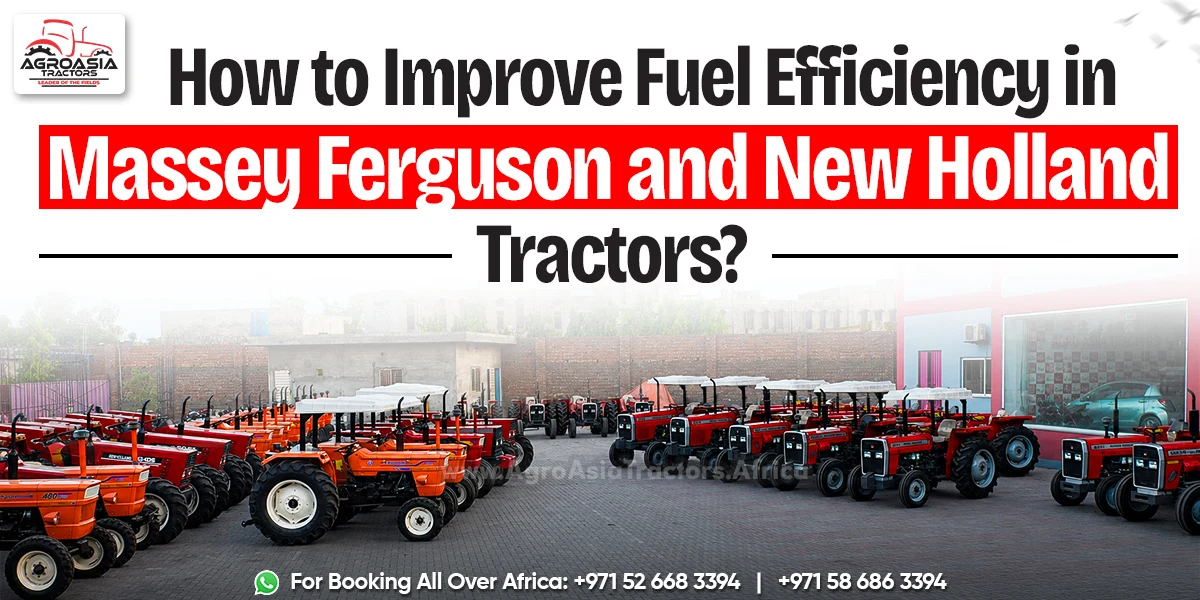
Fuel is one of the biggest operating expenses on any farm. Whether you’re preparing land, planting crops, transporting harvests, or operating farm implements, using fuel efficiently can significantly reduce production costs over an entire farming season.
The good news is that improving fuel efficiency doesn’t always require buying a new tractor. Proper maintenance, correct operating techniques, and matching the right tractor to the right job can help farmers get more work done while using less fuel. Whether you own a Massey Ferguson or New Holland tractor, following a few practical steps can improve performance and lower operating costs.
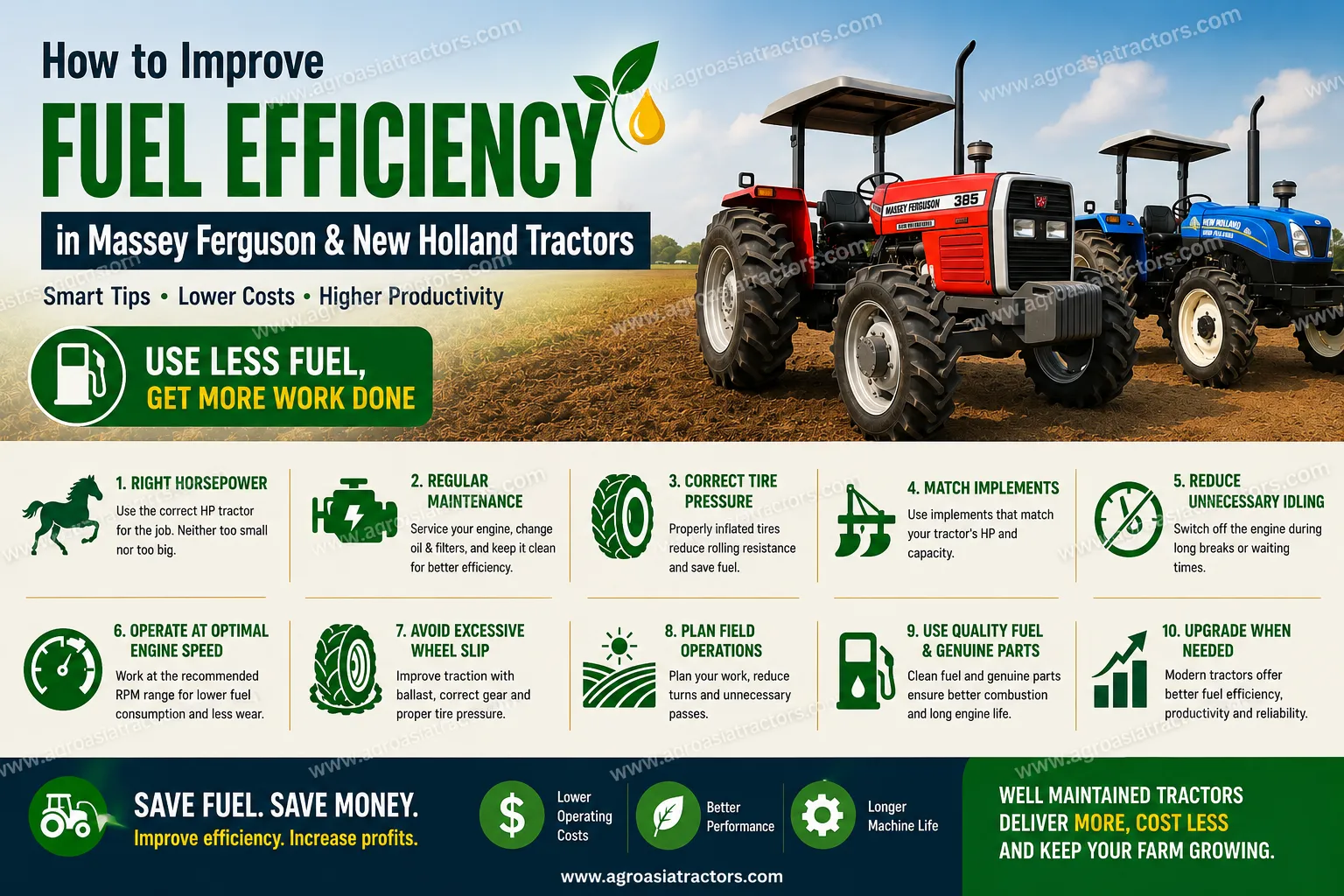
Start with the Right Horsepower
One of the most common mistakes farmers make is using the wrong tractor for the job.
A tractor with insufficient horsepower struggles under heavy loads and consumes more fuel. On the other hand, an oversized tractor performing light-duty work also wastes fuel.
For example:
- 50–60 HP tractors are ideal for orchards, vegetable farms, and light transport.
- 70–85 HP tractors are suitable for maize, wheat, rice, and mixed farming.
- 90 HP and above are better for heavy tillage, commercial farming, and large implements.
Choosing the correct horsepower ensures the engine operates efficiently without unnecessary fuel consumption.
Perform Regular Engine Maintenance
A well-maintained engine burns fuel more efficiently than one that is neglected.
Simple maintenance tasks include:
- Replacing engine oil at recommended intervals
- Changing oil and fuel filters
- Cleaning or replacing the air filter
- Checking coolant levels
- Inspecting fuel injectors
- Using recommended lubricants
Routine servicing helps maintain engine performance while preventing excessive fuel usage.
Maintain Correct Tire Pressure
Many farmers overlook tire pressure, yet it directly affects fuel consumption.
Under-inflated tires increase rolling resistance, forcing the engine to work harder. Properly inflated tires improve traction, reduce wheel slip, and help the tractor move more efficiently across the field.
Check tire pressure regularly, especially before busy planting and harvesting seasons.
Match Implements to Your Tractor
Every tractor has a recommended implement size. Using an oversized disc plough, harrow, or trailer places unnecessary strain on the engine, increasing fuel consumption.
Always ensure your implements match the tractor’s horsepower and hydraulic capacity. A properly matched tractor-implement combination allows the engine to operate at its most efficient level.
Reduce Unnecessary Idling
Leaving a tractor running while loading equipment, taking breaks, or waiting between tasks wastes fuel.
If the tractor will remain stationary for several minutes, switching off the engine can reduce unnecessary fuel consumption and engine wear.
Small savings each day become significant over an entire farming season.
Operate at the Correct Engine Speed
Running the engine at maximum RPM throughout the day is rarely necessary.
Most field operations can be completed efficiently at the manufacturer’s recommended engine speed.
Operating within the optimal RPM range:
- Reduces fuel consumption
- Lowers engine wear
- Improves overall tractor performance
Experienced operators focus on maintaining consistent engine speed rather than maximum throttle.
Avoid Excessive Wheel Slip
Wheel slip wastes both power and fuel.
If the tractor’s wheels spin excessively during ploughing or cultivation, valuable engine power is being lost instead of reaching the ground.
To improve traction:
- Add ballast when required
- Use appropriate tire pressure
- Select the correct gear
- Avoid overloading implements
Good traction allows more of the engine’s power to be converted into productive work.
Plan Field Operations Efficiently
Efficient field planning reduces unnecessary driving and repeated passes.
Before entering the field:
- Plan working patterns
- Minimize turning time
- Combine operations where possible
- Reduce empty transport runs
Completing more work in fewer passes saves both time and fuel.
Use High-Quality Fuel and Genuine Parts
The quality of diesel fuel and replacement parts has a direct impact on engine efficiency.
Using clean fuel, genuine filters, and manufacturer-recommended lubricants helps maintain proper engine combustion while extending the life of key components.
Cheap replacement parts may reduce initial costs but often increase long-term operating expenses.
Upgrade Older Equipment When Necessary
Older tractors with worn engines naturally consume more fuel.
Modern Massey Ferguson and New Holland tractors are designed with improved fuel-efficient engines, better transmissions, and enhanced hydraulic systems that help reduce operating costs while increasing productivity.
If repair costs continue to rise, upgrading to a newer model may provide better long-term value.
Fuel Efficiency Starts Before the Farming Season
Preparing your tractor before the busy season is one of the easiest ways to improve efficiency. Servicing the engine, checking filters, inspecting tires, and ensuring implements are in good condition before planting begins helps prevent breakdowns and keeps fuel consumption under control. A well-prepared tractor is not only more reliable but also more economical throughout the season.
Why Farmers Choose AgroAsia Tractors
At AgroAsia Tractors, we supply brand-new Massey Ferguson and New Holland tractors, along with a complete range of agricultural implements for farmers across Africa, the GCC, and international markets. Our team helps customers select the right horsepower, compatible implements, and farming solutions based on their crops, land size, and operational requirements. We also offer tractor and implement combo packages, genuine spare parts, competitive prices, and worldwide shipping to support efficient and productive farming.
Final Thoughts
Improving fuel efficiency isn’t about one single adjustment—it’s the result of good maintenance, smart operating practices, and using the right equipment for the job. Whether you operate a Massey Ferguson or New Holland tractor, small improvements in daily operation can lead to significant fuel savings over time. By maintaining your tractor properly and matching it with suitable implements, you’ll reduce operating costs, increase productivity, and get the maximum return from every litre of fuel.
Frequently Asked Questions
Which tractor is more fuel-efficient, Massey Ferguson or New Holland?
Both brands are known for excellent fuel economy. Fuel efficiency depends on the tractor model, maintenance schedule, operating conditions, and whether the tractor is matched correctly to its workload.
Does regular servicing reduce fuel consumption?
Yes. Clean filters, fresh engine oil, properly functioning injectors, and routine maintenance help the engine operate more efficiently and reduce fuel usage.
How important is tire pressure for fuel efficiency?
Correct tire pressure improves traction, reduces rolling resistance, and helps lower fuel consumption during field operations.
Can using the wrong implement increase fuel costs?
Absolutely. Oversized or improperly matched implements place additional strain on the engine, causing higher fuel consumption and unnecessary wear.